




Friday Features
The Age of TikTok and Why Fans Are The Most Powerful Marketers In Music
Feb 20, 2026
Kaitlin McKay
As the music industry shifts further into the digital and community-driven age, fan culture—amplified at unprecedented speed by platforms like TikTok—has become the driving force behind discovery, virality, and long-term artist success, redefining who truly holds power in music marketing.
For decades, music marketing followed a predictable structure: labels pushed, radio played, press covered, and audiences consumed. Fans were always there, organizing, promoting, and sharing, but their impact was often treated as secondary to official campaigns.
Now, that structure has flipped.
Today, songs don’t become hits simply because they’re released or heavily promoted. They become hits when fans decide they matter: when a lyric connects with a moment in pop culture, when a bridge becomes a storytelling trend, or when a song becomes tied to a shared emotional moment across thousands (or millions) of people.
The difference isn’t that fans suddenly became powerful. It’s that digital platforms made that power impossible to ignore.
So how does fan culture actually build hits and create viral moments? Well, in the current landscape, success often follows a pattern:
Discovery happens socially: Fans hear songs through edits, trends, and emotional storytelling–not just traditional rollout channels. While this can happen across platforms, TikTok is often doing the heavy lifting.
Meaning gets assigned by the community: Fans decide what a song represents emotionally and culturally. This can happen through a film or TV placement, something the artist says in an interview, or even a single lyric that resonates with fans across the world.
Momentum becomes self-sustaining: Once fans claim a song, promotion shifts from label marketing to organic content. As more users incorporate the sound into their own videos, its reach expands to entirely new audiences.
Very few marketing budgets can fully replicate this pattern. One Direction, Olivia Rodrigo, and Role Model are all examples of artists whose fanbases have propelled their music to new audiences, higher chart positions, and sustained streaming growth.
One Direction: The Fan Marketing Blueprint
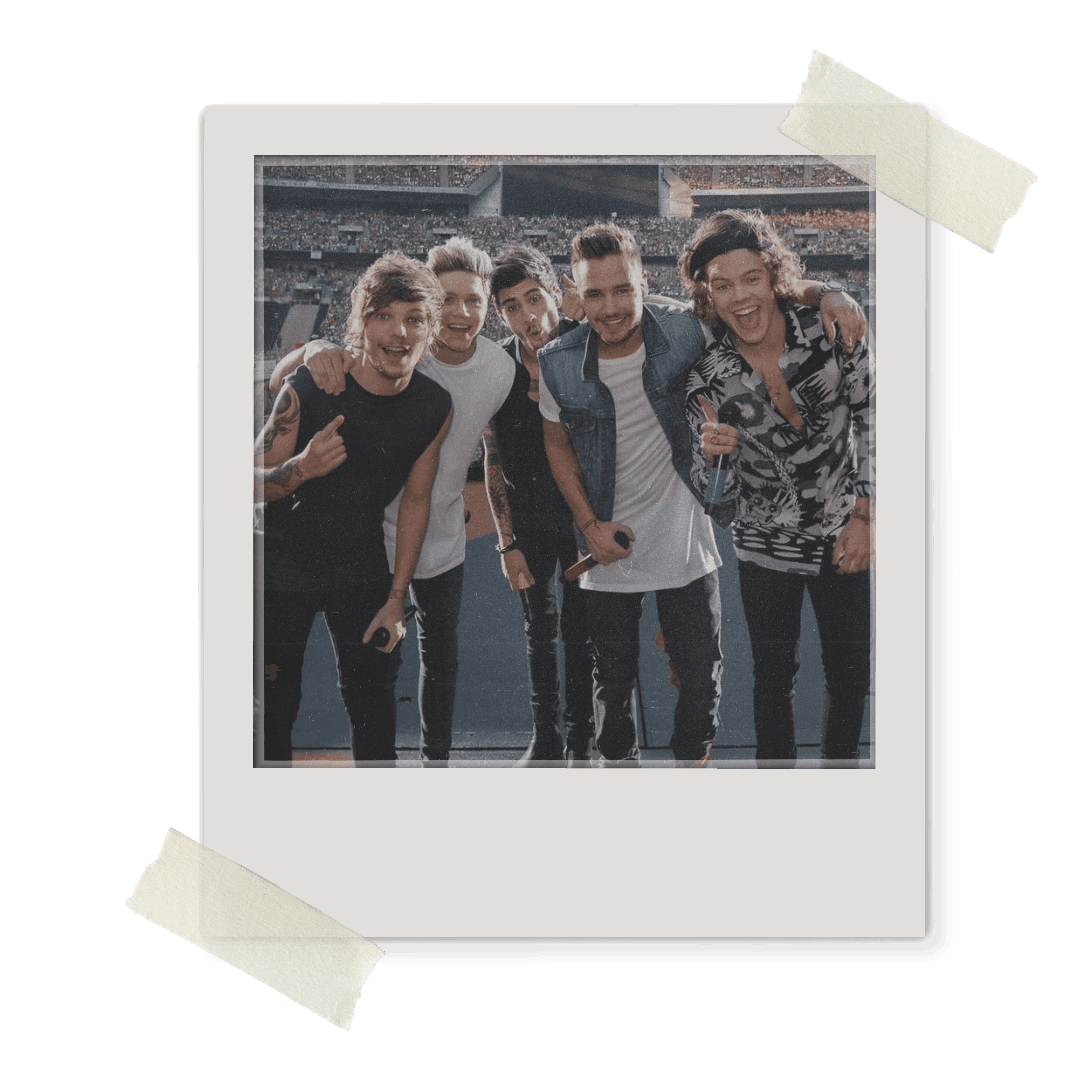
Before modern short-form video platforms existed, members of the One Direction fandom (AKA Directioners) built one of the most powerful organic marketing ecosystems in music.
Fans ran update accounts like full newsrooms. They coordinated streaming before streaming culture was normalized. They created viral edits, fan projects, and online narratives that expanded the band’s cultural presence far beyond official campaigns. The system they built is the blueprint, and proof enough that today’s fandom behavior isn’t new, it's just scaled globally and moves faster.
Olivia Rodrigo: Emotional Virality

Olivia’s breakout moment with her song Driver’s License showed how powerful fan emotional connection can be when paired with digital community spaces. After connecting with her as an actress off the screen of her hit show High School Musical: The Musical: The Series fans found her debut single incredibly moving.
The drama surrounding that single and the infamous “blonde” lyric sparked global conversation. With that connection many fans had with her as an actress and her “alleged” relationship with Joshua Bassett fans felt the gut punch that was delivered in the lyrics. They weren’t just mourning their past relationships, they were mourning hers.
When an artist can connect with her fans that deep promotion stops feeling like marketing and starts feeling like a community expression. Fans weren’t just processing their own heartbreak; they were invested in hers. This helped move her song to the tops of every chart.
Role Model: Designing Moments Fans Want to Share
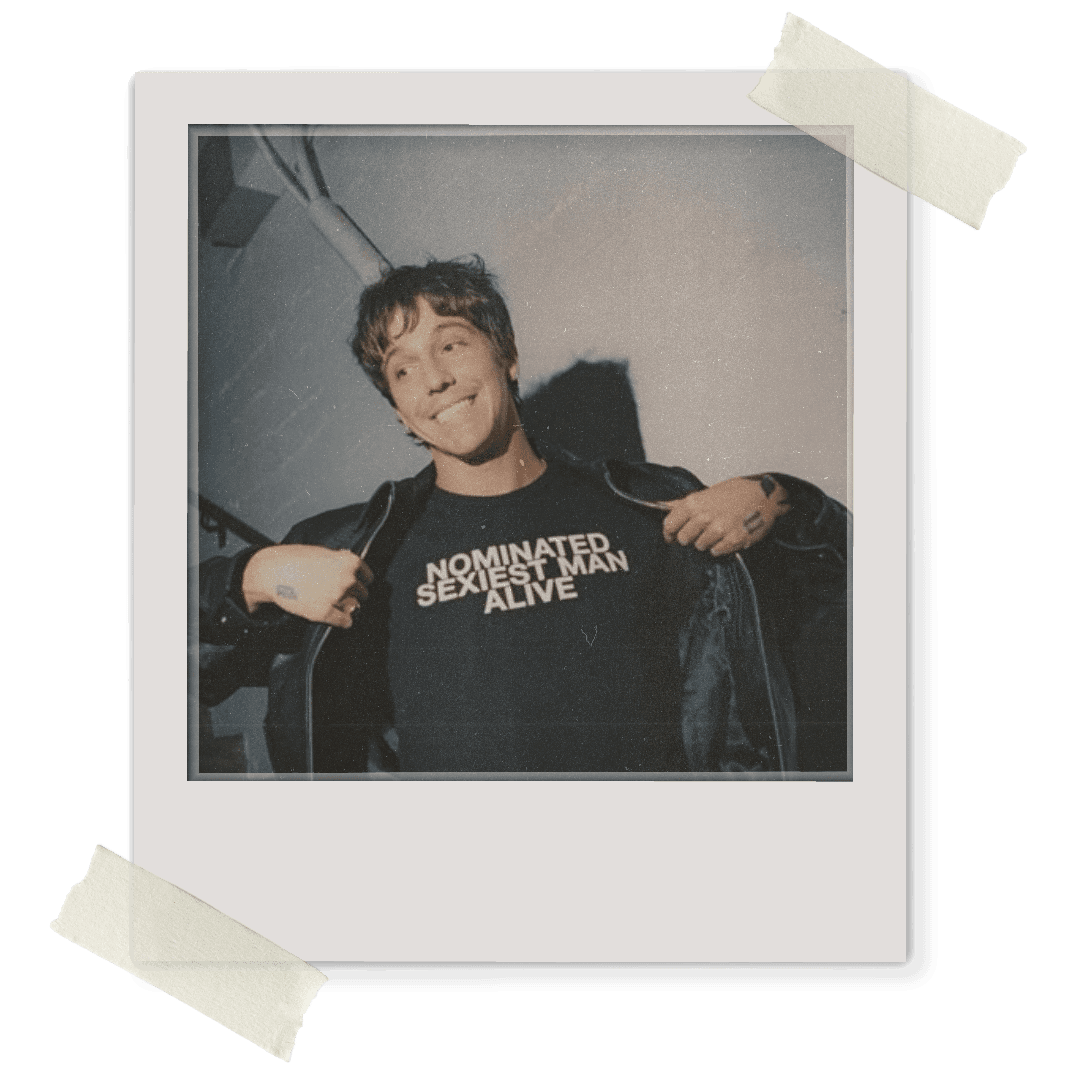
If the modern music landscape rewards participation, Role Model has mastered giving fans something to participate in. His growth hasn’t just come from songs, it’s come from shared humor, inside jokes, and moments engineered for clipping and circulation.
From running jokes about fans helping him “secure a Birkin,” to introducing himself at shows as entirely different artists so fans have something to clip and post, to preemptively poking fun at himself as his online alter ego “Saint Laurent Cowboy,” he understands something crucial: moments travel. Every concert becomes content. Every joke becomes a thread. Every interaction becomes shareable currency.
One of the clearest examples is his recurring onstage tradition of bringing a fan up to be his “Sally” during his song, Sally, When the Wine Runs Out. It’s not just a cute concert bit, it’s a built-in viral mechanism. Each show generates a new version of the moment, giving fans a reason to film, post, compare, and relive it online. It turns a single tour stop into dozens of digital touchpoints.
Role Model’s strategy is a perfect example of modern music marketing. There’s not a lot of polish, but there is plenty of participation. He’s created a shared language with his fans in his corner of the internet finding success there, with them.
Why Fans are so Important to the Process
Even now, many traditional marketing systems treat fans like the final step, or just the audience waiting at the end of the funnel. But fans aren’t the end of the process, they are the force that makes the entire system work.
The industry often underestimates them, but a fan’s love for a song can reshape the entire conversation, shift culture and push records to the top of the charts/ That’s what makes being a fangirl so powerful and honestly so special to be a part of.
Fans have always been the loudest promoters, fastest distributors, and most emotionally invested advocates in music. Now, they simply have platforms powerful enough to match their passion. And in today’s music industry, the artists and teams who understand that will be the ones who build not just hits, but moments in time.